
Aww, Dugong!
- Experiences >
- Philippines >
- Palawan >
- Dugong Tour Philippines
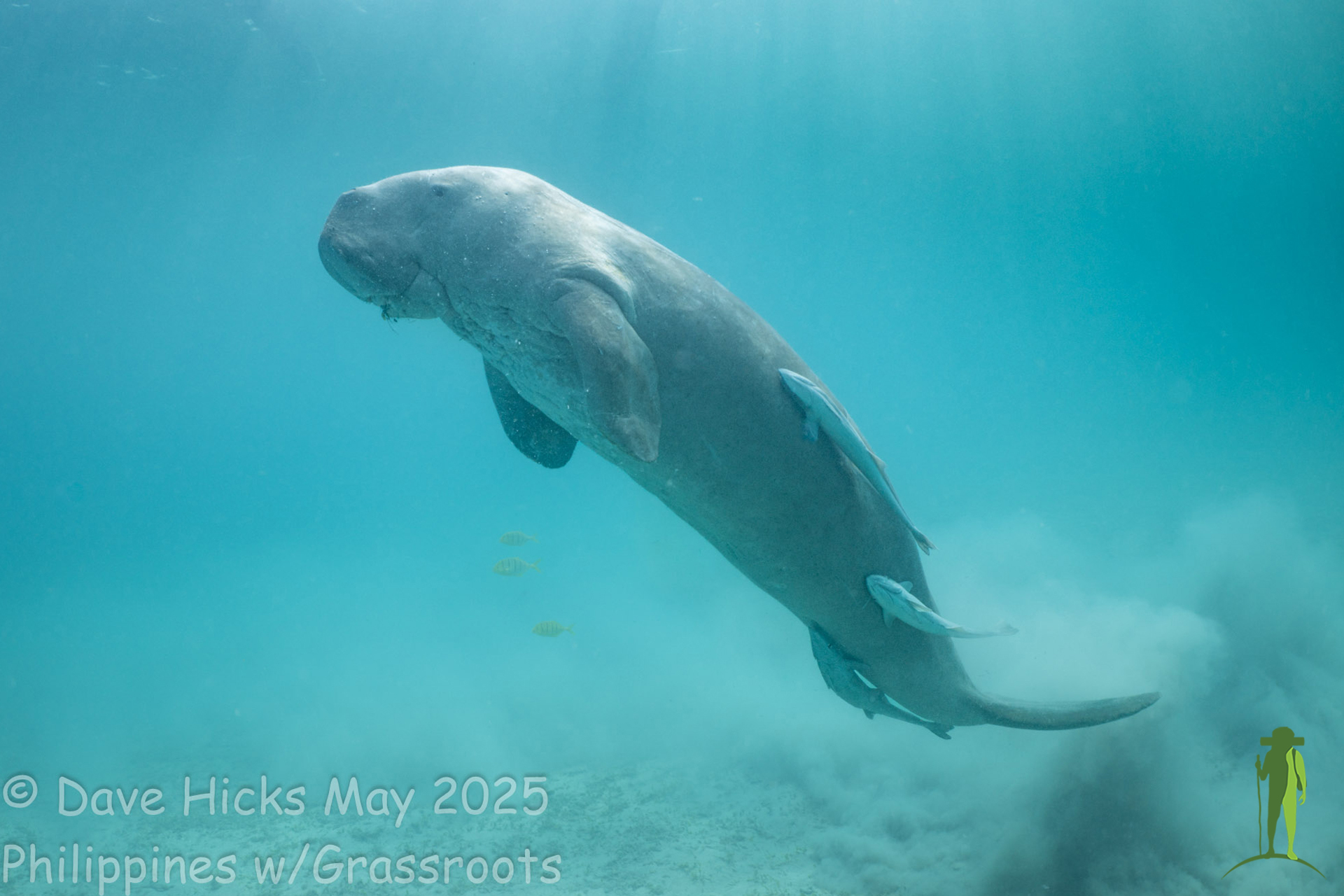
You can’t help but let out a sigh when you meet this incredibly adorable sea cow underwater. Usually found munching on benthic seagrass, the herbivorous dugong stirs up a cloud of silt as it steadily scrapes the seafloor for food. Your guide and the local dugong patrol will work together to position you at the right spot while ensuring that this endangered mammal is not disturbed in its habitat.
Our local partner has enjoyed an 80% success rate of dugong sightings over the years. They are a member of the Philippine Coast Guard Auxiliary and have been actively participating in efforts to protect the dugong.
BEST TIME TO GO
Warm dry season (Mar-May): Optimal conditions for dugong watching;
Rainy season (Jun-Aug, Oct-Nov): The dugongs don’t care about the rain, but it might be a wet boat ride for you;
Cool dry season (Dec-Feb): Occasional swells and plankton can affect the dugong sites.
PRICING
USD 298 per person, min. 4 people;
USD 199 per person if snorkeling only.
Environmental fees (~USD 5 pp) and marine park fees (~USD 20 pp) are to be paid in cash and in local currency only.
WHAT'S INCLUDED
Local boat with captain and certified guide;
80% chance of in-water encounter with the Philippine dugong;
2 dives/snorkeling sessions at a nearby coral reef;
Coffee, tea, and water on the boat tour;
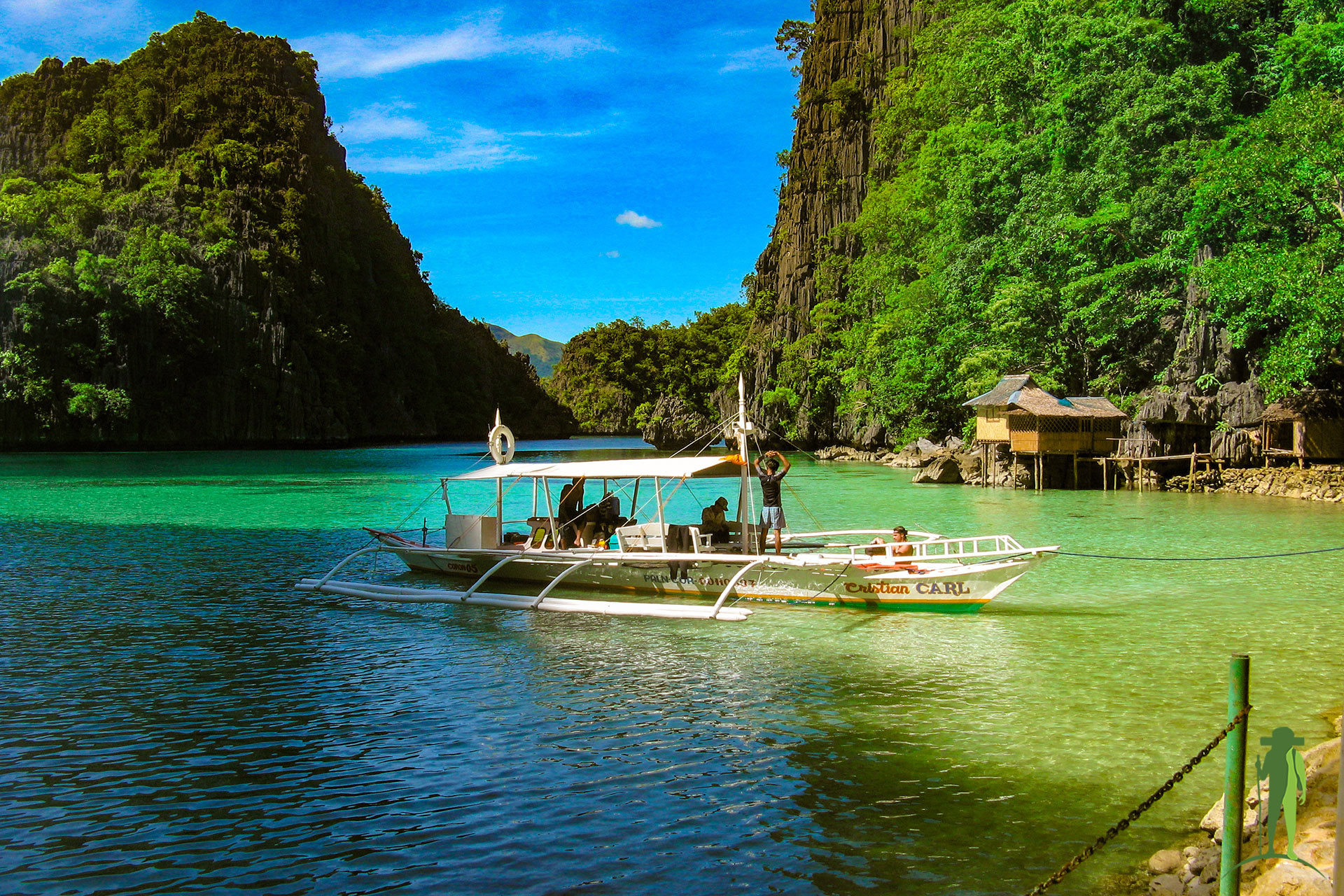
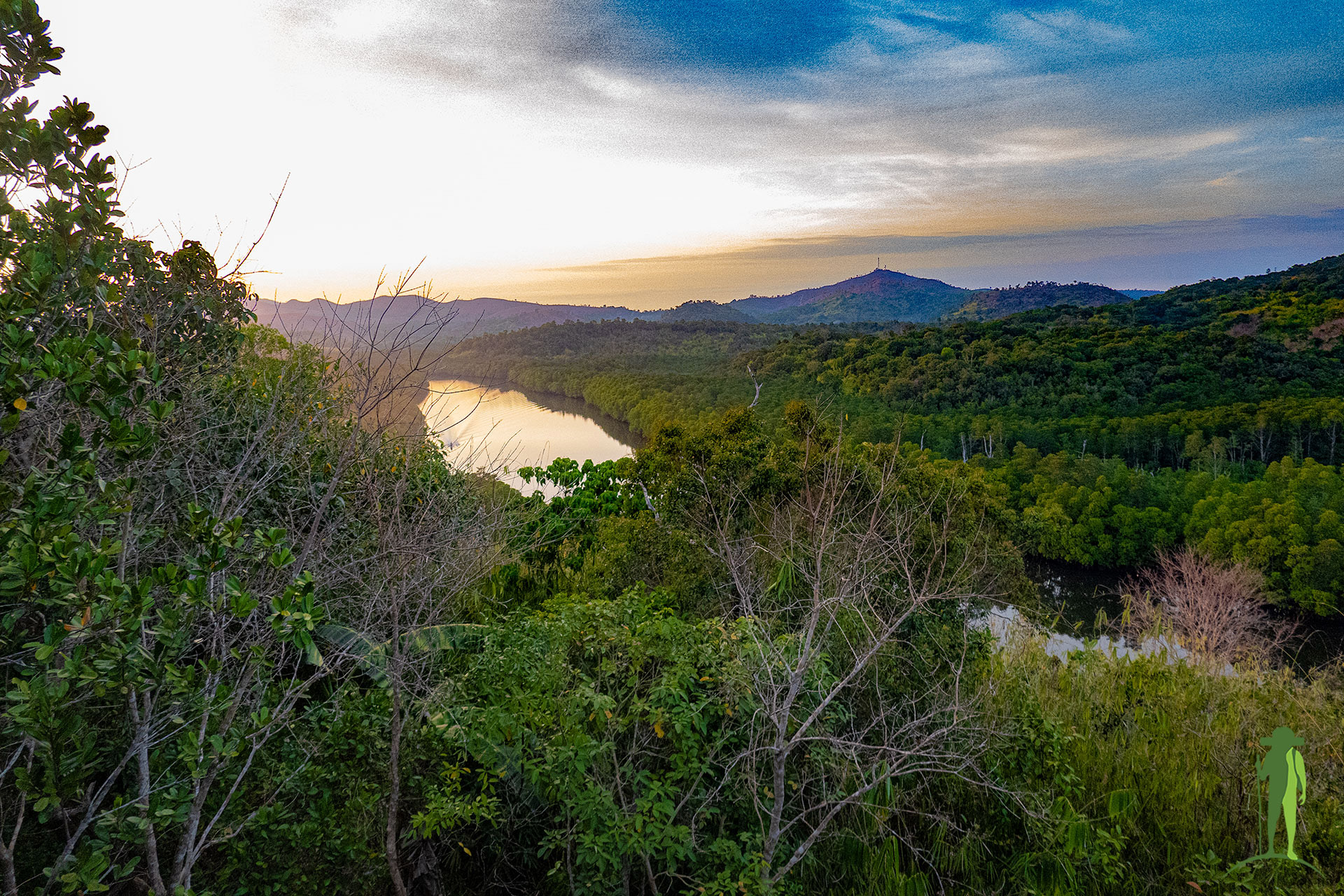
Round-trip boat transfer from your accommodation with scenic river cruise;
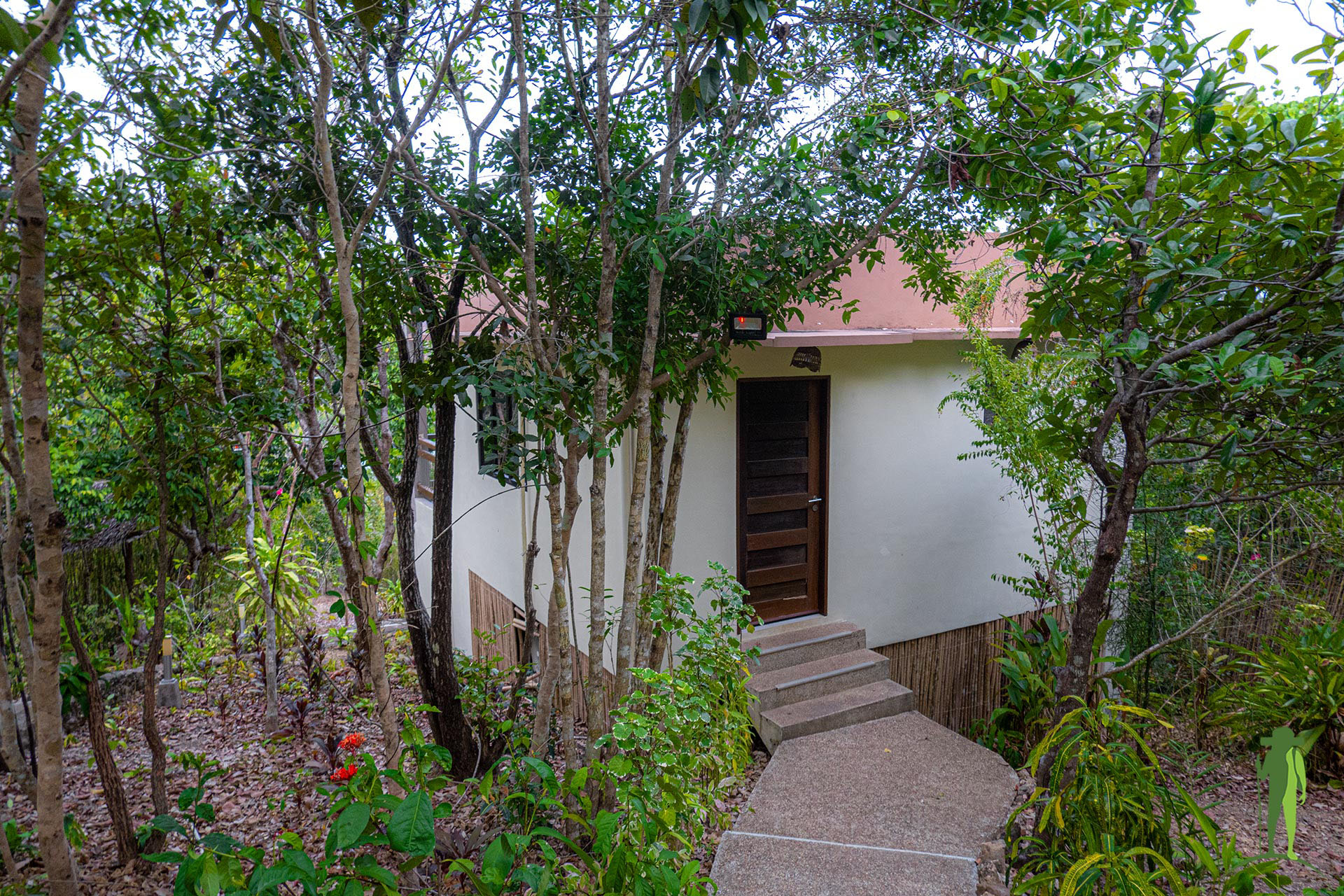
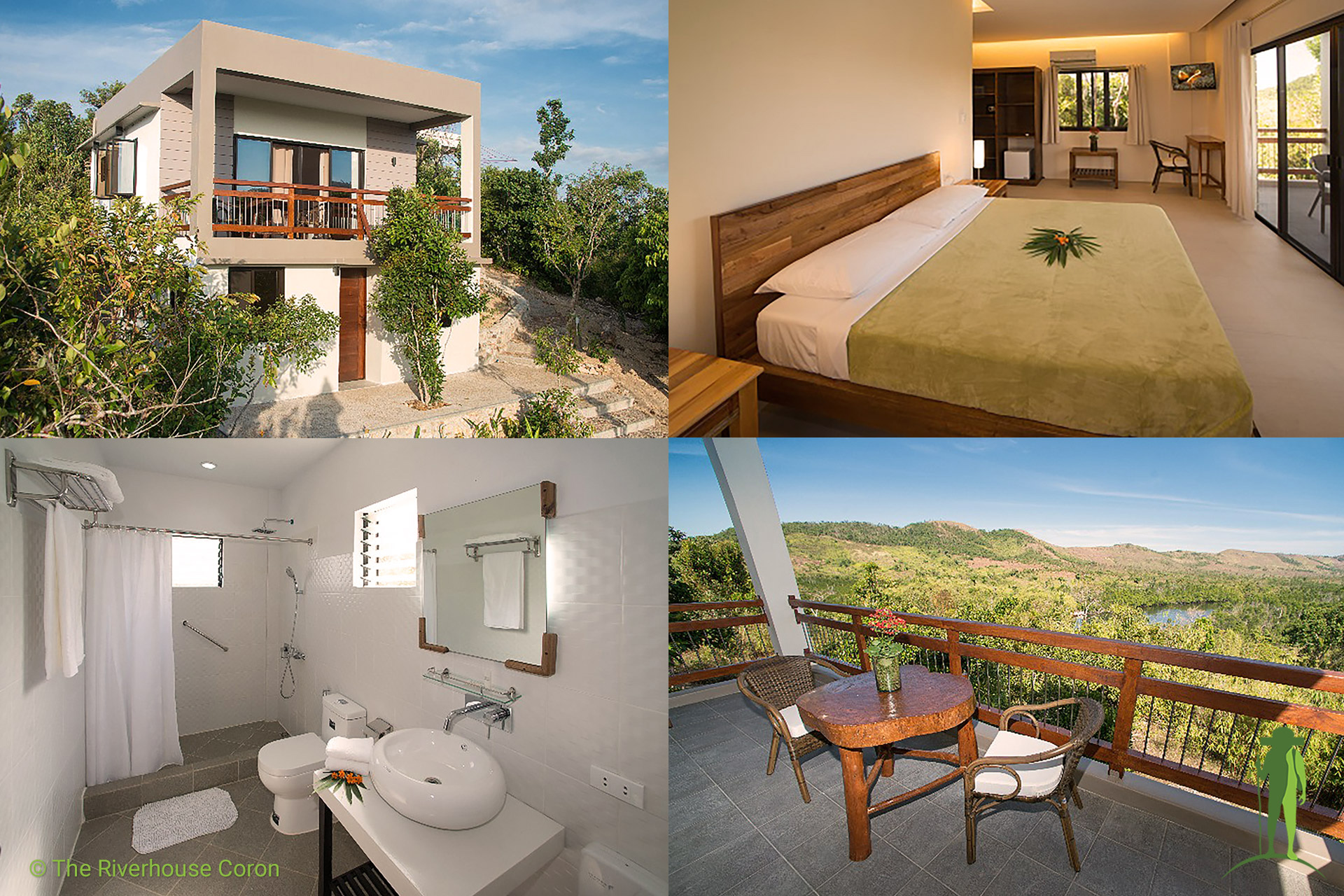
Lodge accommodation with breakfast;
Airport pick-up and drop-off.
Flights, lunches, dinners, dive/snorkel gear, environmental/marine park fees, and gratuities are not included. You will need to order your lunch at your accommodation’s restaurant the day before your tour.


An Underwater Encounter with the Philippine Sea Cow
The dugong (Dugong dugon) is not a manatee. While both belong to the same order of fully aquatic, herbivorous mammals, the dugong’s tail is fluked like that of a whale’s as opposed to the manatee’s paddle-like tail. Another distinguishing characteristic is its longer, sharply downturned, snout compared to that of a manatee’s. There are around 20 individuals living in the dugong watching area.
When we reach the dugong observation area, a member of the dugong patrol will join us onboard to conduct a 20-minute briefing. If a dugong is spotted, we will observe him from the boat first. When it looks like he plans to hang around, we will approach the dugong by snorkeling. If he doesn’t mind the humans in the water with him, those who want to dive with him may go ahead and do so. Dugongs come up for air every 4-5 minutes.
Note that some sites are under Indigenous People management, so each encounter is restricted to a maximum of 4 divers/snorkelers at a time, for 15 to 30 minutes each time.
In-Water Dugong Tour in the Philippines
Arrive in Busuanga anytime on Day 1. If your afternoon is free, why not spend it on a half-day tour of the nearby village? You’ll mingle with the locals, experience riding a carabao (water buffalo), help de-husk rice the traditional way, learn how to weave using indigenous materials, and fish in fabricated ponds inside the mangrove forests.
The dugong tour is a full-day excursion for snorkelers and scuba divers alike, so you will depart bright and early on Day 2. Before or after your dugong encounter, you’ll have the opportunity to snorkel or do 2 dives at a nearby coral reef.
On Day 3, transfer to the airport for your flight back home or extend your stay and explore more of Coron. Divers must take the mid-day/afternoon flight out of Busuanga to allow enough desaturation time.